Ratnagiri Tourism
Ratnagiri is amongst the premier tourist destinations in Maharashtra, India. With some of the most beautiful beaches, Ratnagiri is also home to historic monuments and serene temples.
Ratnagiri is very close to MumbaiGoa National Highway. State transports and private buses ply regularly from Pune, Mumbai, Kolhapur and other cities from the Konkan region.
Top Tourist Places in Ratnagiri
Explore the pristine beaches, historic forts, and sacred temples that make Ratnagiri a true coastal gem.
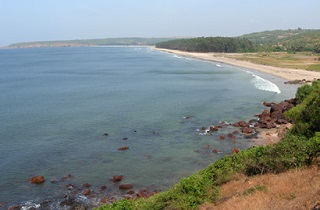
Aare Beach
Aare Beach, one of the famous untouched beaches from the Konkan region, is only 15 km away from Ratnagiri towards Ganapatipule via Nevare village. This very long beach (3 km) is a perfect spot for a one-day outing. Dense Suru plantation protects the villagers from cyclones. Many celebrities own land properties near this beach.
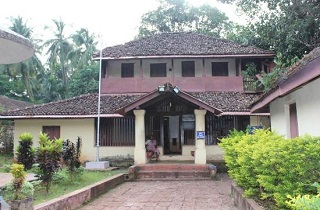
Tilak Ali Museum
Tilak Ali Museum is located in Ratnagiri City. The ancestral house of Lokamanya Balgangadhar Tilak is a fine example of native Konkani architecture. It depicts Tilak's life and his struggle for Indian Independence through paintings and pictures, maintained by the Archeological Department of India.
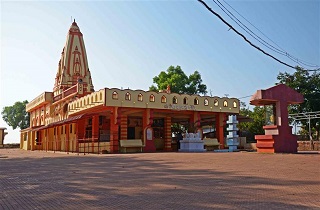
Shri Devi Bhagwati Mandir
Located inside the massive Ratnadurg Fort, Bhagwati Temple is one of the ancient temples in Maharashtra, situated on the shores of the Arabian Sea. The architecture is marvelous, with unique sculptural works of 'Veer Vignesh' and 'Ashtadashbhuj' Ganapati. Navarathri is celebrated with much enthusiasm.
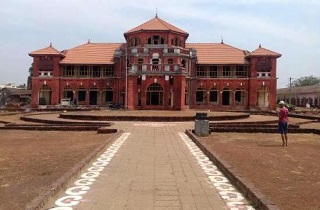
Thiba Palace / Thibaw Point
Thibaw Point is where the lovely mansion, The Theba Palace, is located. Built in 1910, the palace is famed as the exile shelter of the king and queen of Burma (Myanmar). It offers a panoramic view of the entire city and is a thriving picnic spot, especially at sunset.
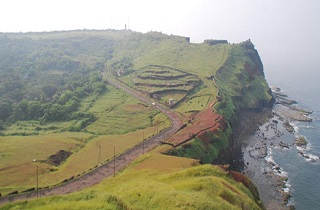
Ratnadurg Fort
Surrounded by the Arabian Sea on three sides, the massive Ratnadurga Fort presents a splendid horseshoe shape (1300 m × 1000 m). Once a stronghold of the Maratha Empire, it now offers dazzling sunset views and the sweet sound of waves pounding against the rocks, along with a marvelous lighthouse.
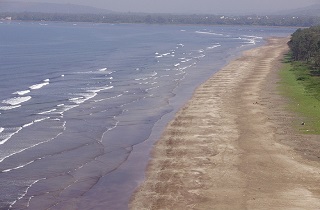
Bhatye Beach
Bhatye is the biggest town in Konkan and an immediate suburb of Ratnagiri. This wonderful beach, with the jagged Sahyadri mountains in the background, offers bluish water, vast silvery sands, and clean environs sprinkled with casuarinas. It provides exciting opportunities for water sports and romantic sunsets.
More Places to Explore
From sacred temples to historic forts immerse yourself in the beauty of Ratnagiri.
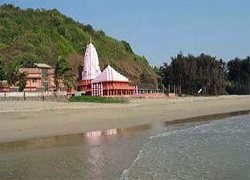
Ganapatipule Temple
A 400-year-old Ganesha temple, this holy place (Swayambhu Ganpati Temple) is built of white sand and is believed to be a self-created monolith of Lord Ganesha, discovered 1600 years ago. Ganapatipule is one of the "Ashta Dwar Devatas" (Eight Welcoming Deities) and is known as the Western Sentinel God. The beach is clean with fine silvery white sand.
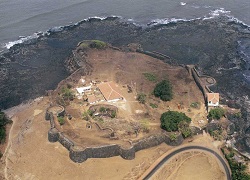
Jaigad Fort
Located 18 km from Ganpatipule, the Jaigad Fort sits on a cliff overlooking the Arabian Sea. The Fort of Victory spreads over 13 acres and includes a Lord Ganesh Temple, wells, and the palace of Kanhoji Angre. The meeting point of the river Shashtri and the Arabian Sea is called the creek of Jaigad. A government rest house and a lighthouse are also on the premises.
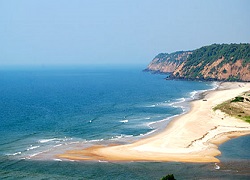
Mandvi Beach
The most crowded beach in Ratnagiri city, Mandavi Beach is gifted with a vast line of seashore right up to Rajiwanda Port. Surrounded by the Ratnadurg Fort on the west and the Arabian Sea on the south, it offers lustrous black sand and is renowned as the 'Black Sea'. It is the most sought-after picnic spot in Ratnagiri, with chats and soft drinks available.
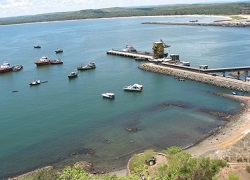
Mirkarwada Beach / Jetty
Famous Kolhapuri Jaggery is known for its purity and traditional, natural/organic contents. Jaggery contains carbohydrates, minerals, vitamins and other vital nutrients. In rural Maharashtra, water and a piece of jaggery is given to someone arriving home from working under a hot sun. Kakvi, a byproduct, is also used as a sweetener. Kolhapuri Gul is the largest natural jaggery export product of the country.
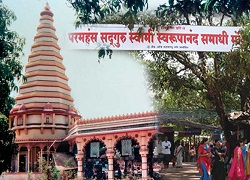
Swami Swaroopanand, Pawas
Pawas (20 km from the city) is a spiritual place in Ratnagiri district due to the long stay of Swami Swaroopanand, a follower of the Warkari Sampraday. Born on 15th December 1903 at Pawas, he was affectionately known as "Appa" or "Rambhau". The temple premises include a Dhyangumpha (Contemplation Room) and a Lord Ganeshji deity in an Emlica tree. Swamiji's home "Anant Niwas" is preserved by the temple trustees.
Rajaram Road, Kolhapur, Maharashtra 416008.
www.gruhkhoj.com