
Welcome to Kolhapur: Located in southwestern Maharashtra along the Sahyadri mountains, Kolhapur is an ancient heritage city revered as Dakshin Kashi. Famed for its royal Maratha history, Shakti Peetha shrines, artisan craftsmanship, and spicy culinary traditions, the city welcomes millions of devotees and travelers every year.
Situated at an elevation of 569 meters (1,867 ft) along the Panchaganga River basin, Kolhapur serves as a major gateway between Maharashtra, Goa, and Karnataka—located 228 km south of Pune, 615 km from Bengaluru, and 530 km from Hyderabad.
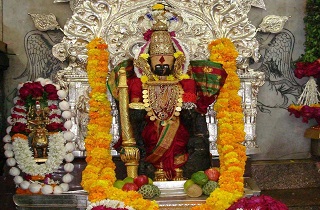
In short: Kolhapur is a destination for spiritual pilgrims, history buffs, weekend travelers, and food lovers. A 2-day itinerary covers core heritage spots—including the ancient Shree Mahalaxmi Temple, Chhatrapati Shahu New Palace, and Rankala Lake on Day 1, followed by a scenic drive to Panhala Fort and Kaneri Math on Day 2.
Looking to buy a home or commercial property in this growing regional hub? Browse verified new developments with zero brokerage on our Kolhapur Property & New Projects Directory.
| Time Window | Recommended Destination | Highlights & Activities |
|---|---|---|
| Day 1: Morning | Shree Mahalaxmi Temple & Bhavani Mandap | Spiritual Darshan, ancient Hemadpanthi stone carvings, pure local jaggery shops |
| Day 1: Afternoon | New Palace Museum & Town Hall | Chhatrapati Shahu Maharaj royal memorabilia, weapons gallery, botanical garden |
| Day 1: Evening | Rankala Lake Chaupati | Sunset promenade walk, paddle boating, authentic street-side Kolhapuri Bhel |
| Day 2: Morning | Panhala Fort (20 km drive) | Teen Darwaza, Sajja Kothi, Sahyadri mountain vistas, Maratha military architecture |
| Day 2: Afternoon | Siddhagiri Gramjivan Museum (Kaneri) | Rural village life wax museum, 80+ historic self-sufficient village dioramas |
Direct answer: The top attractions in the Kolhapur metropolitan area comprise world-renowned Shakti Peethas, Maratha royal monuments, serene freshwater lakes, and hilltop fortresses. Here are the 7 essential places every visitor should see:
Spiritual significance: Shree Mahalaxmi Temple (Ambabai) is one of India's 51 Shakti Peethas, historically revered as Dakshin Kashi. Built during the 7th century under the Chalukya dynasty, the sanctum features intricate stone-carved Hemadpanthi architecture.
The presiding black stone deity holds symbolic objects: a citrus fruit (mhalunga), mace (kaumodaki), shield, and bowl. The temple famously celebrates Kiranotsav (festival of sun rays) twice a year when sunset rays directly illuminate the deity.
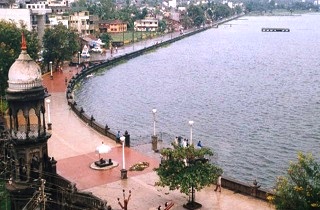
Historic lakeside landmark: Commissioned by the Chhatrapatis of Kolhapur, Rankala Lake is a historic freshwater reservoir created from stone quarries used in building nearby monuments. At its center stands the revered temple of Rank Bhairav.
Visitors can stroll along the paved Chaupati promenade, rent paddle boats, or admire the neighboring Italian-Gothic architecture of Shalini Palace across the water. Sunset walks here are a quintessential Kolhapur experience.
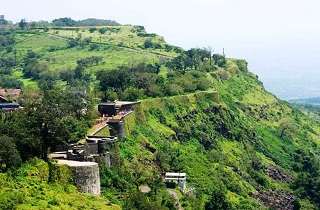
Hilltop military heritage: Located 20 km northwest of Kolhapur at an altitude of 3,177 feet, Panhala is among the largest Deccan hill forts. Strategically held by Chhatrapati Shivaji Maharaj and the Adil Shahi dynasty, it played a vital role in Maratha defensive maneuvers.
Key structural landmarks within the fort include the majestic Teen Darwaza, Sajja Kothi (viewing pavilion), and the massive Amberkhana grain granaries overlooking the misty Sahyadri valleys.
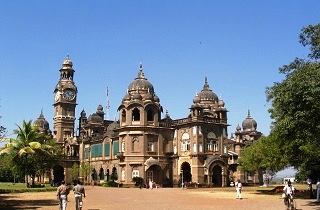
Royal architecture & museum: Constructed between 1877 and 1884 on Bhavani Mandap-Kasaba Bavda Road, this eight-angled palace was designed by British architect Charles Mant, blending Indo-Saracenic and Jain architectural elements.
While the upper quarters remain the private residence of Shreemant Chhatrapati Shahu Maharaj, the ground-floor Darbar Hall and museum display preserved Maratha weapons, royal costumes, antique jewellery, and historical artifacts.
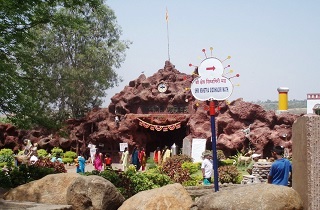
Rural heritage display: Situated at Shri Kshetra Siddhagiri Math in Kaneri (12 km south on the NH 48 highway), this sculpture museum depicts the ancient self-reliant village ecosystem of Maharashtra.
Spread across 7 acres, over 80 life-size village dioramas and 300+ cement and wax statues depict traditional Balutedar artisans, farmers, weavers, and village schools alongside a 42-foot statue of Lord Shiva.
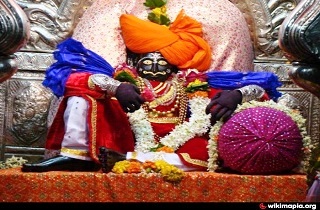
Hilltop pilgrimage: Perched at an altitude of 3,124 feet in the Panhala mountain range, Jotiba is dedicated to Kedarnath, an embodiment of Brahma, Vishnu, and Shiva.
The temple is famous for its grand annual Chaitra full-moon fair, where thousands of devotees shower pink holy gulal powder over the temple complex. It offers scenic views across the surrounding plateaus.
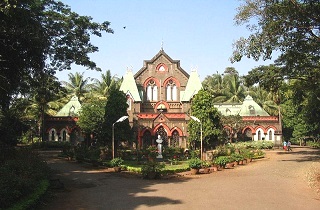
Archeological artifacts: Built between 1872 and 1876, the Town Hall displays rare archeological findings from the 3rd-century BC Satavahana excavations at Brahmapuri Hill, including Greek bronze statuettes and Roman coins.
The Neo-Gothic building sits inside an 8-acre botanical garden containing exotic century-old banyan, mahogany, and flowering timber species.
In short: No trip to Kolhapur is complete without sampling its culinary specialties and purchasing authentic handcrafted GI-tagged leather sandals and pure cane jaggery.

Unlike sweeter varieties found elsewhere, authentic Kolhapuri Misal is prepared using sprouted moth beans (matki), spicy ginger-garlic-chili broth, and crisp farsan, topped with a fiery red curry called kat.
Renowned spots for savoring traditional misal include Phadtare Misal in Udyamnagar, Bawada Misal in Kasba Bawada, and Chorage Misal in Gujri.

Crafted since the 18th century and protected under a Geographical Indication (GI) tag, Kolhapuri chappals are hand-stitched leather footwear cured with vegetable dyes and babool bark extracts without artificial chemicals.
Visit the artisan shops along Chappal Line near Bhavani Mandap and Shivaji Market to pick up authentic, long-lasting footwear.

Kolhapur is one of India's largest sugarcane processing belts. Traditional Kolhapuri Gul is produced in local gurhals without synthetic bleaching chemicals, giving it a characteristic golden-amber color rich in iron and natural minerals.
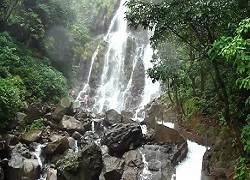
Looking for weekend hill stations or wildlife escapes? Amboli Ghat (altitude 690m) offers misty monsoon waterfalls just 115 km southwest. Nature enthusiasts can also explore Dajipur Wildlife Sanctuary (Radhanagari Dam backwaters) to spot the Indian bison (Gaur) in its natural habitat.
Quick answers to common questions about visiting Kolhapur for vacations, temple trips, and family travel.
The direct answer: Shree Mahalaxmi Temple is open daily for devotees from 5:00 AM to 10:00 PM. Morning Kakad Aarti takes place at 5:30 AM, followed by the main afternoon Mahapuja at 12:00 PM and the Shej Aarti at 10:00 PM. Expect higher footfall during Navratri and weekend holidays.
Transportation overview: Kolhapur is directly connected via National Highway 48 (Mumbai-Bengaluru highway) with regular luxury bus services from Pune and Mumbai. Chhatrapati Shahu Maharaj Terminus (KOP) runs daily express trains to Mumbai, Pune, and Bengaluru. The Kolhapur Domestic Airport (Ujalaiwadi) offers flights to Hyderabad, Bengaluru, and Mumbai.
Market insight: Yes. Beyond tourism, Kolhapur is an educational and commercial center in western Maharashtra. High-demand residential localities like Nagala Park, Tarabai Park, and Rajarampuri offer strong social infrastructure. You can view RERA-verified new builder projects directly via Gruhkhoj Kolhapur Properties with zero brokerage fees.
Recommendation: A 2-day tour is sufficient to cover core city attractions including Mahalaxmi Mandir, Rankala Lake, New Palace, and a half-day excursion to Panhala Fort. If you wish to visit Amboli Hill Station or the Dajipur Bison Sanctuary, plan for a 3 to 4-day trip.
TIRUPATI MEDIA SERVICES
Office No. 111, 1st Floor, Mark 1034 Building, Rajaram Road, Kolhapur, Maharashtra 416008.